

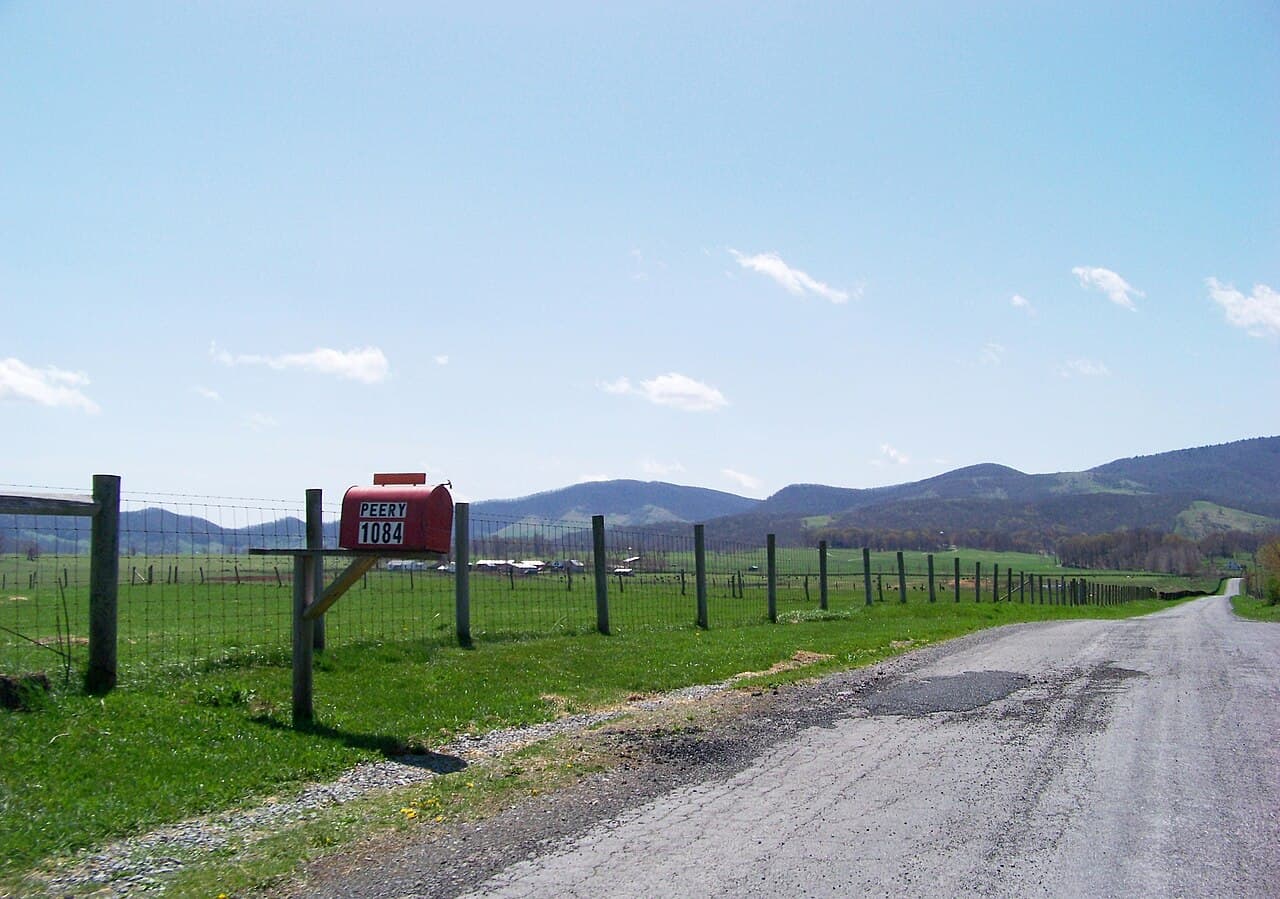
Where the "20% down" idea comes from
Almost everyone starts house-hunting with a number stuck in their head: twenty percent. On a $250,000 home that's $50,000 — enough to make a lot of people decide they can't buy for years. The good news is that 20% is not a requirement. It's simply the point at which a conventional loan no longer charges you private mortgage insurance (PMI), a small monthly fee that protects the lender when you put less down. Putting 20% down can save you money over time, but it has never been the price of admission to owning a home — and in our region, most first-time buyers put down far less.
What each loan actually requires
Your down payment is set by the loan you choose, not by a universal rule. Here are the options first-timers in Southwest Virginia use most, from least cash to most:
- VA loan — $0 down. For eligible service members, veterans, and many surviving spouses. No down payment and no monthly mortgage insurance — the single cheapest way into a home if you qualify. How VA and USDA loans work here.
- USDA loan — $0 down. For moderate-income buyers in rural areas — which covers most of Southwest Virginia outside the city cores. Also no down payment, with a smaller annual fee instead of PMI.
- FHA loan — 3.5% down. The popular fallback for buyers who don't qualify for VA or USDA. On a $250,000 home that's about $8,750. FHA is flexible on credit but carries its own mortgage-insurance premium.
- Conventional loan — as little as 3% down. Several conventional programs aimed at first-time and lower-income buyers allow 3% down (about $7,500 on a $250,000 home). You'll pay PMI until you reach 20% equity, but it drops off automatically — and stronger credit often makes this the cheaper long-run choice.
The cash you can't skip: closing costs and reserves
Here's the part that surprises people more than the down payment: even a $0-down loan isn't a $0-cash purchase. On top of any down payment you'll owe closing costs — lender fees, the appraisal, title work, taxes, and prepaid insurance — which typically run 2% to 5% of the purchase price. On a $250,000 home, plan for roughly $5,000 to $12,500.
The encouraging news is how often you don't pay all of that out of pocket. In a balanced or buyer-friendly market — which much of our area has been — it's common to ask the seller to cover part of your closing costs in the offer (a seller credit). Between that and down-payment assistance, the genuine upfront cash for a first-time buyer here is frequently a few thousand dollars, not tens of thousands.
Virginia Housing: the assistance most buyers never ask about
Virginia Housing (the state housing authority) runs first-time-buyer loan programs and down-payment assistance that can pair with FHA, conventional, VA, or USDA financing. Depending on the program, the help can cover much or all of your down payment, and sometimes closing costs too. There are usually conditions — income limits, a price cap on the home, and often a short online homebuyer education class — but the assistance is real money, and the most common reason buyers miss it is simply that they never asked. When you talk to a lender, ask specifically: "Do I qualify for any Virginia Housing programs?"
A realistic example
Say you're buying a $250,000 home in the New River Valley. Here's the upfront-cash picture under three common paths:
- USDA, rural home: $0 down + ~$7,500 closing costs — much of which a seller credit or assistance can offset. Out-of-pocket can land in the low thousands.
- FHA, 3.5% down: ~$8,750 down + closing costs, minus any seller credit and Virginia Housing assistance.
- Conventional, 3% down: ~$7,500 down + closing costs, with PMI that falls off as you build equity.
The exact figures depend on the home, the lender, and your situation — but the headline is consistent: the number that actually gets you to the closing table is usually a fraction of the 20% people fear.
How to find your real number
Don't try to reverse-engineer this from a calculator. The fastest, most accurate way to learn what you need is to get pre-approved by a lender, who will lay out your loan options, the down payment each requires, your estimated closing costs, and which assistance programs you qualify for — all for your income and the price range you're actually shopping. That conversation usually replaces months of guessing with a clear, real number, and it's free.
Written by
Jesse Stidham & Emilia Domnaru
Founder & Co-founder, Casa Domnaru — Southwest Virginia
Last updated May 30, 2026