

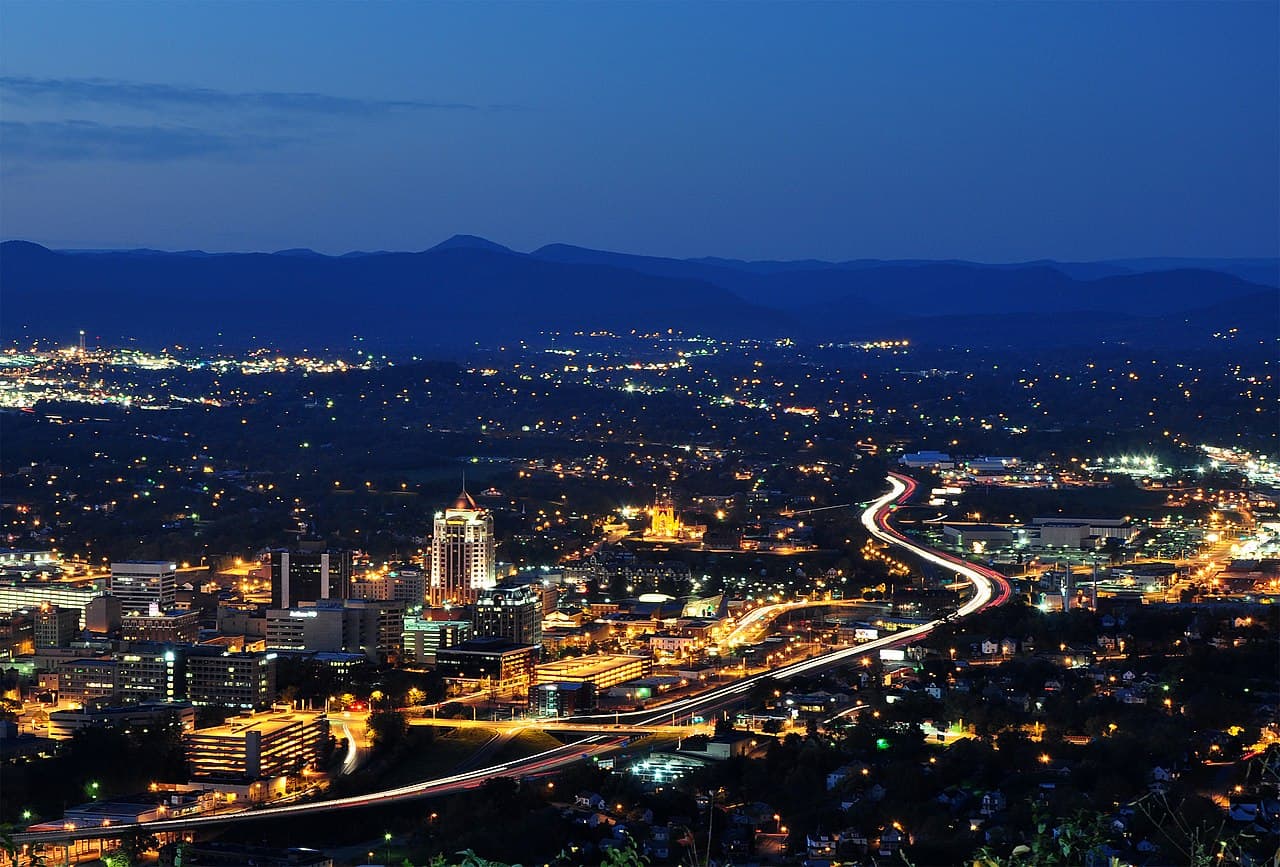
The shape of the region
"Southwest Virginia" covers a lot of ground, but for someone moving here it helps to think of it as two anchors with countryside around them:
- The Roanoke metro. The larger, more urban end — Roanoke, Salem, and the surrounding area. More of the things a city offers: a regional hospital system, an airport, shopping, dining, an Amtrak stop, and a wider range of housing from in-town to suburban.
- The New River Valley. Centered on Blacksburg and Christiansburg, with Radford nearby. Blacksburg is a university town (Virginia Tech), which gives that area a college-town rhythm and steady activity; Christiansburg sits next door with more of the everyday retail and services.
- The smaller towns and counties. Places like Pulaski, Pearisburg and Giles County, and out toward Bluefield and Tazewell — quieter, more rural, more land, and generally the most affordable. This is also where well-and-septic homes are the norm.
Which one fits comes down to how you want to live day to day — in-town convenience versus elbow room and acreage. If you want help sorting that out, our area overviews walk through each, and the Find Your Fit quiz is a quick way to see which kind of home and setting lines up with what you're after.
Cost of living
Broadly, Southwest Virginia runs more affordable than the Washington-area and coastal-Virginia markets, with housing in particular costing less than those metros. That's a big part of why people relocate here — the same budget tends to go further, whether that means more house, more land, or simply more margin in the monthly numbers. Costs do vary within the region: the in-town and college areas generally sit higher than the rural counties. As with anywhere, the honest answer for your budget depends on the specific town and property.
Getting around
The region is car-oriented, organized around a few key routes:
- Interstate 81 runs the length of the region and is the main north–south spine.
- US-460 connects the Roanoke metro to the New River Valley and on westward.
- Roanoke-Blacksburg Regional Airport (ROA) handles commercial flights for the area; larger hubs are a drive away.
- Amtrak has a station in Roanoke with service up the corridor toward Washington, D.C.
Day-to-day you'll want a vehicle in most of the region; the college areas have more walkability and local transit than the rural counties.
The economy
A few large institutions anchor the job market: Virginia Tech and Radford University on the education side, and Carilion Clinic as a major healthcare system in the Roanoke area, alongside manufacturing, technology, and the businesses that grow up around a research university. For remote workers, the limiting factor is usually broadband — which varies a lot by exact address, especially in the rural areas, so it's worth checking the specific property before you count on working from it.
The outdoors and the seasons
This is a big part of why people love it here. The region sits in the Blue Ridge and Appalachian Mountains, with the New River, the Appalachian Trail, the Blue Ridge Parkway, and large stretches of national forest all close at hand — hiking, paddling, fishing, and mountain views are part of ordinary life. Expect four distinct seasons: green, warm summers; a genuine and colorful fall; winters that bring real cold and some snow, more at elevation; and a full spring. If you're coming from a flatter or milder climate, the terrain and the winters are the two adjustments people mention most.
Planning a move from out of the area
A few things make a long-distance move here go smoothly:
- Decide what you're optimizing for first. Commute, acreage, in-town convenience, or budget — naming the priority narrows the region fast.
- Consider renting briefly if you're unsure. Some out-of-area buyers rent for a few months to get a feel for the different parts of the region before committing to a purchase. That's a personal call, not a requirement.
- Plan remote-friendly touring. We can do video walkthroughs and handle a lot of the process at a distance, which matters when you're relocating from another state or country.
- If you're looking rural, factor in well and septic. Many homes outside the towns have private water and waste systems that change what to check and how the loan appraises — our well-and-septic guide covers it.
- Sort the logistics. Budget time after you arrive to update your driver's license and vehicle registration with Virginia DMV, set up utilities, and handle the usual change-of-address housekeeping.
Moving from another country
Casa Domnaru works in English, Spanish, and Romanian, which can make a cross-border move a lot less stressful — being able to ask questions and read through the important moments in your own language matters when you're navigating an unfamiliar system. If that describes your family, just tell us which language you'd prefer and we'll work in it.
However you're arriving, the goal is the same: get oriented to the region, match the right part of it to how you actually want to live, and make the move without avoidable surprises. That's the part we're here to help with.
Written by
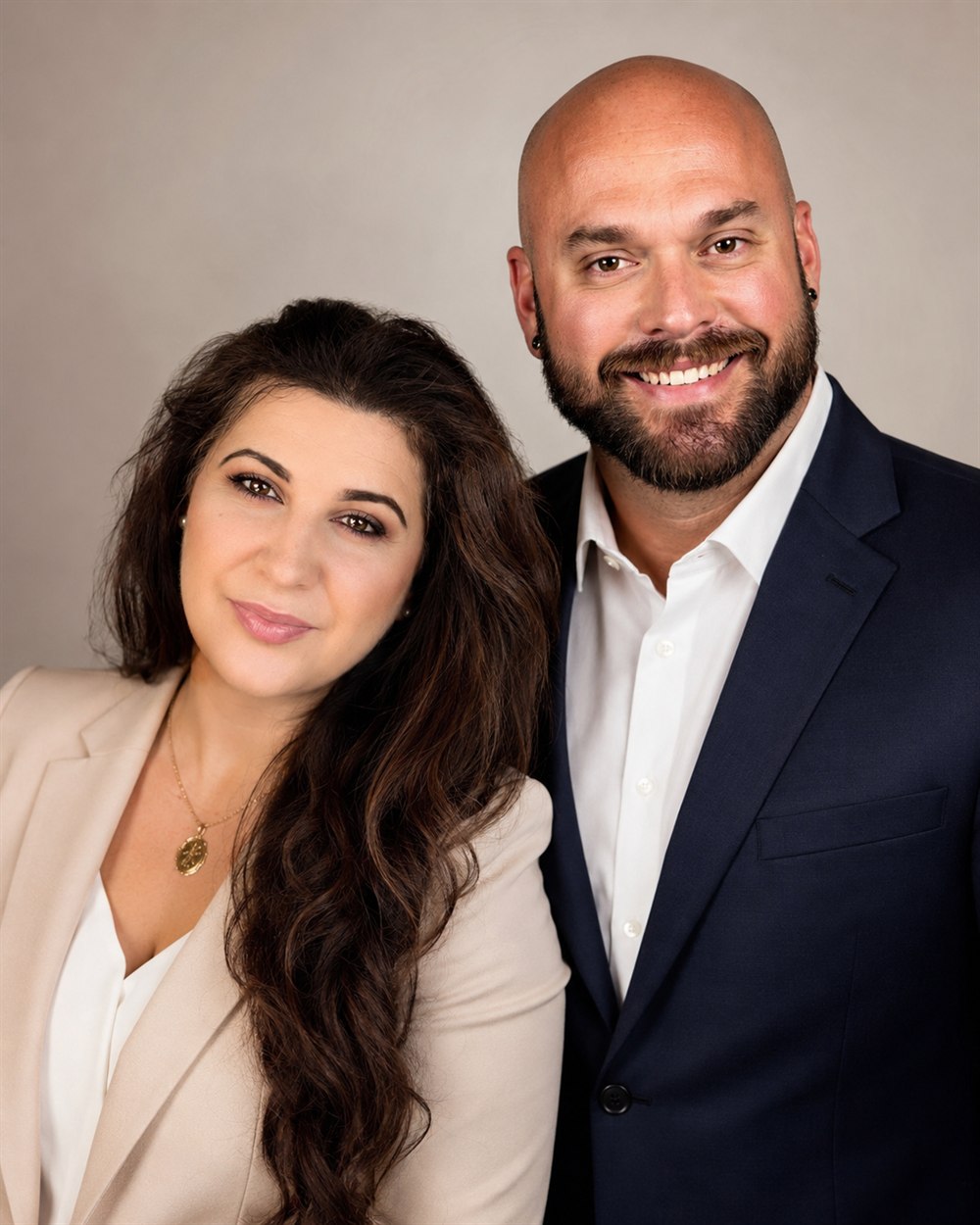
Jesse Stidham & Emilia Domnaru
Founder & Co-founder, Casa Domnaru — Southwest Virginia
Last updated May 30, 2026